
- 3D-Print
- Ceramics
- Product
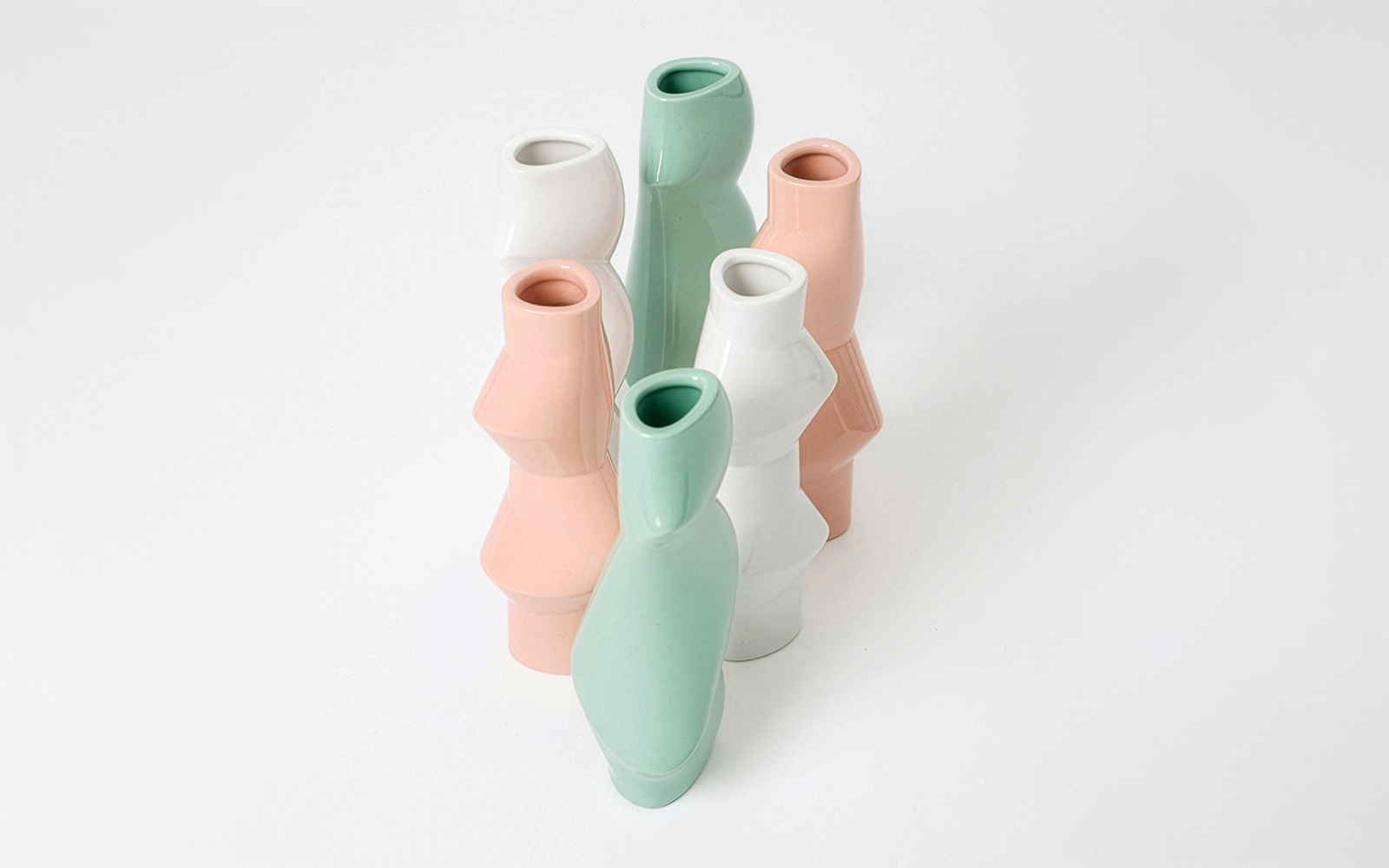
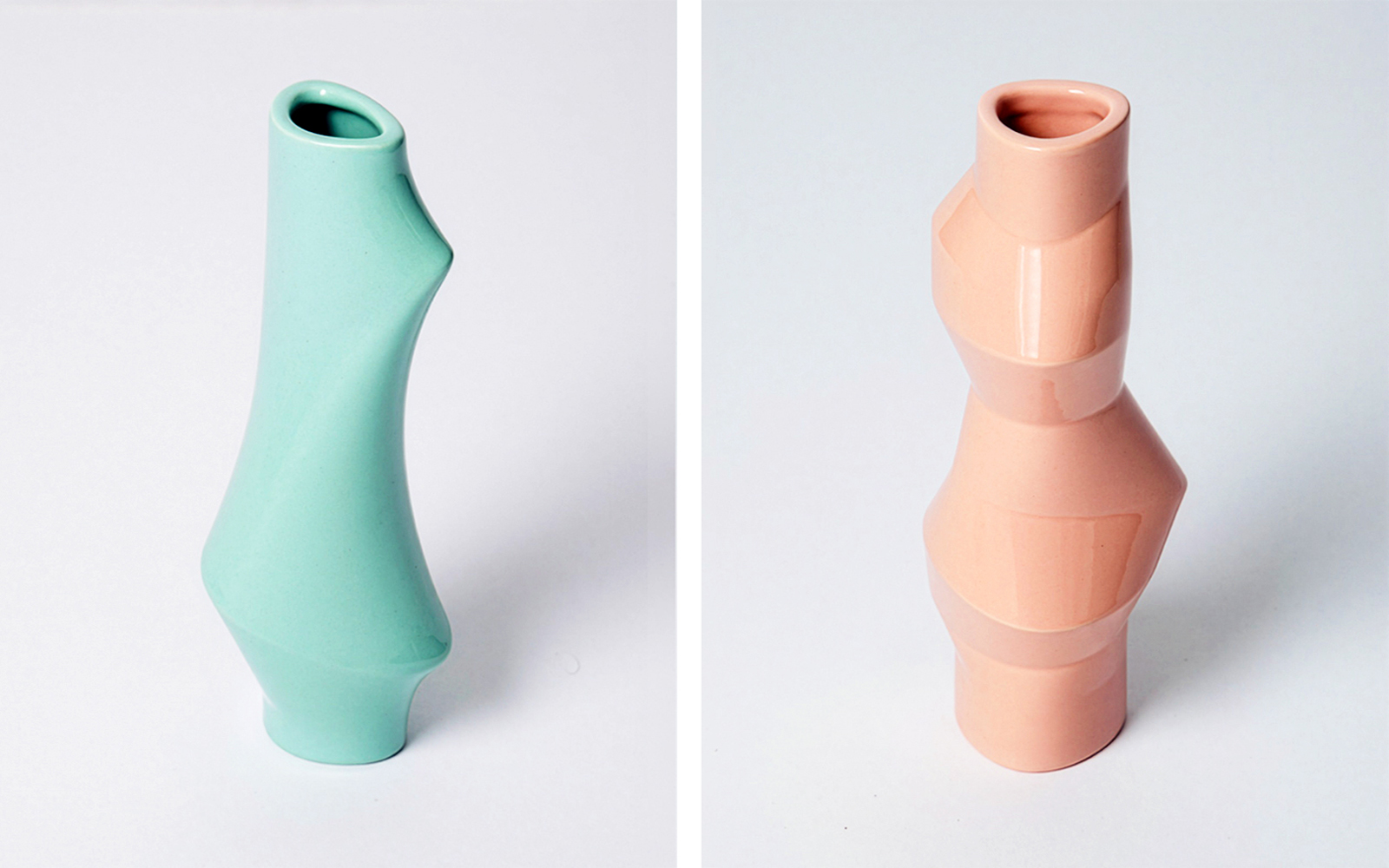
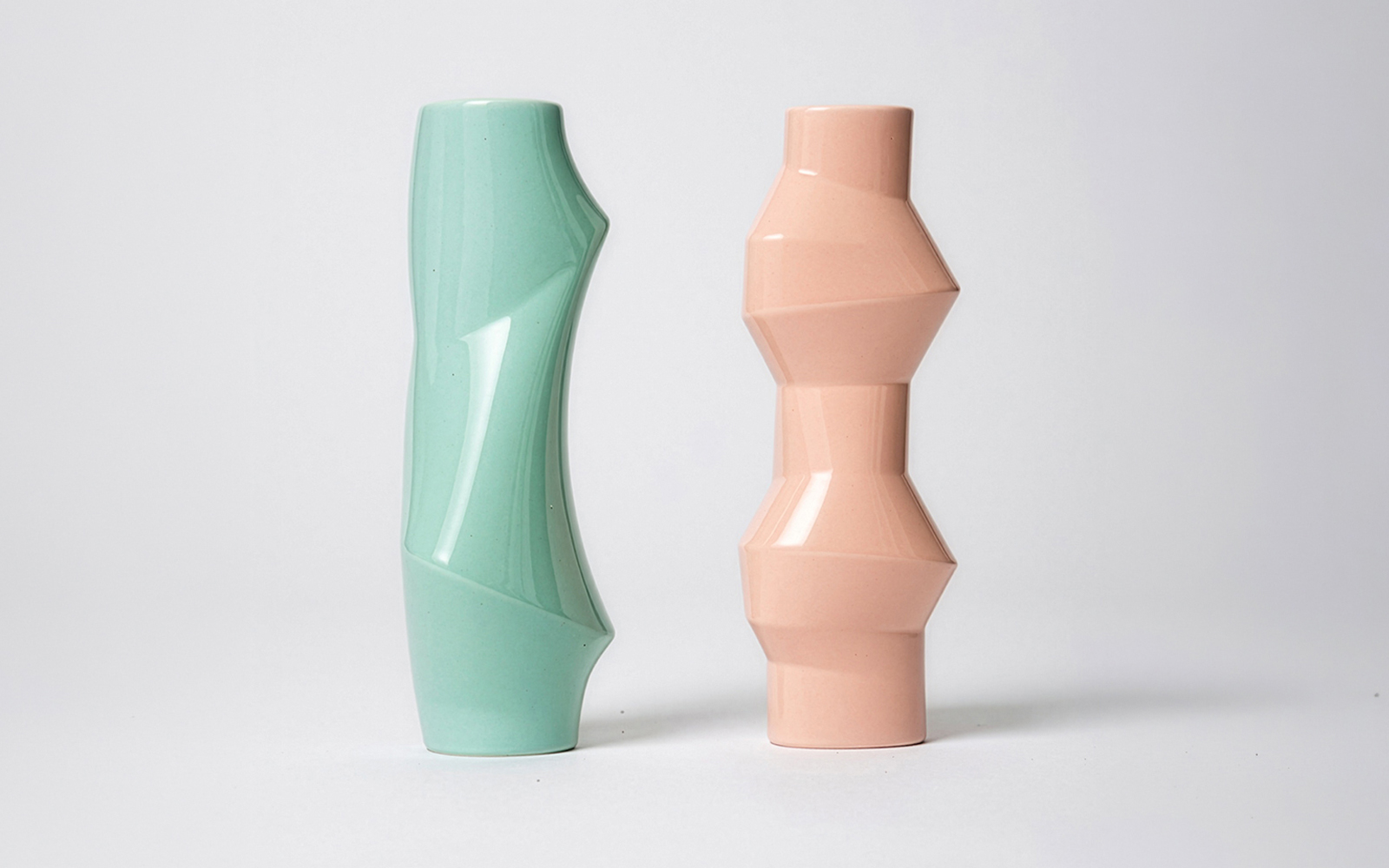
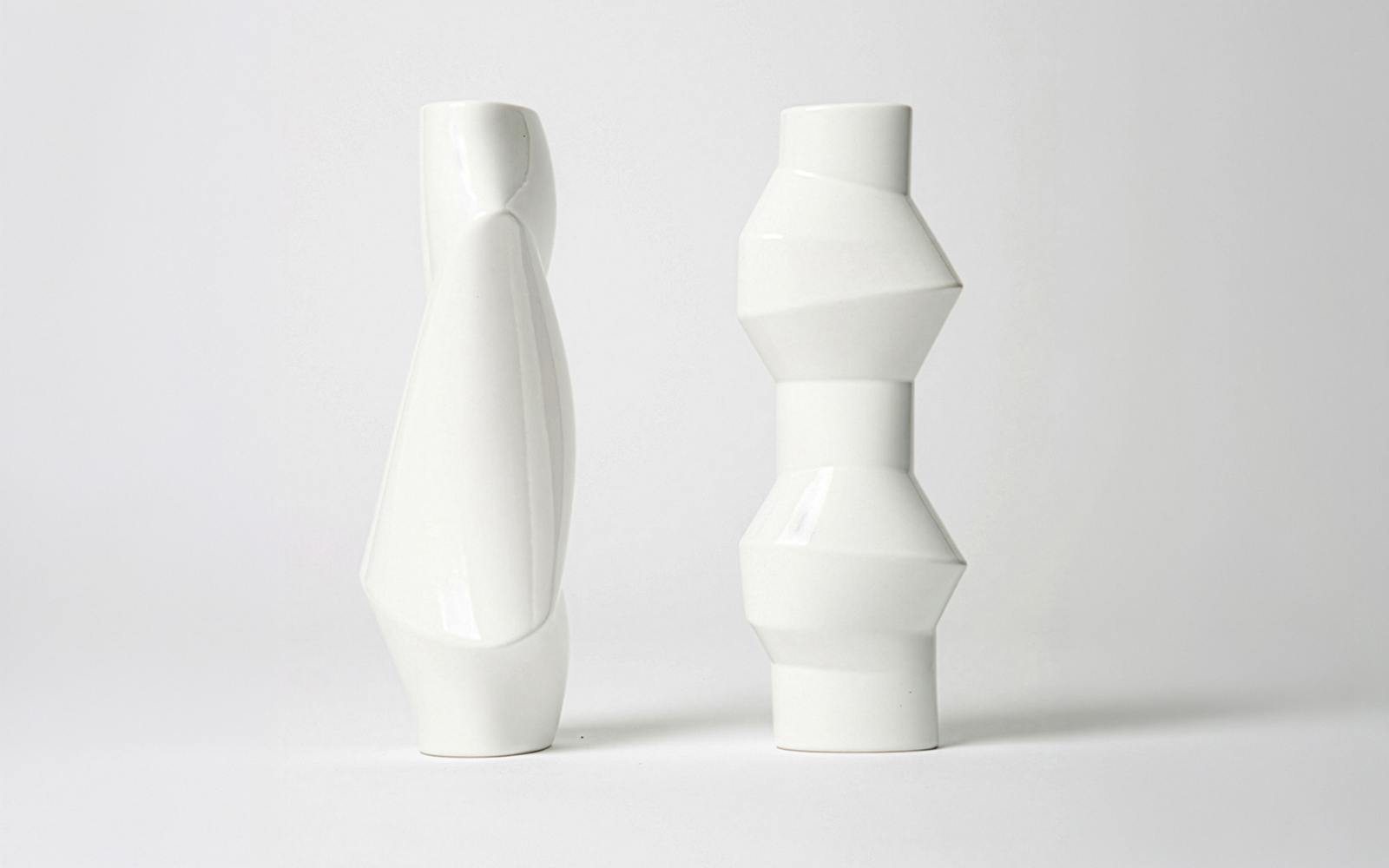
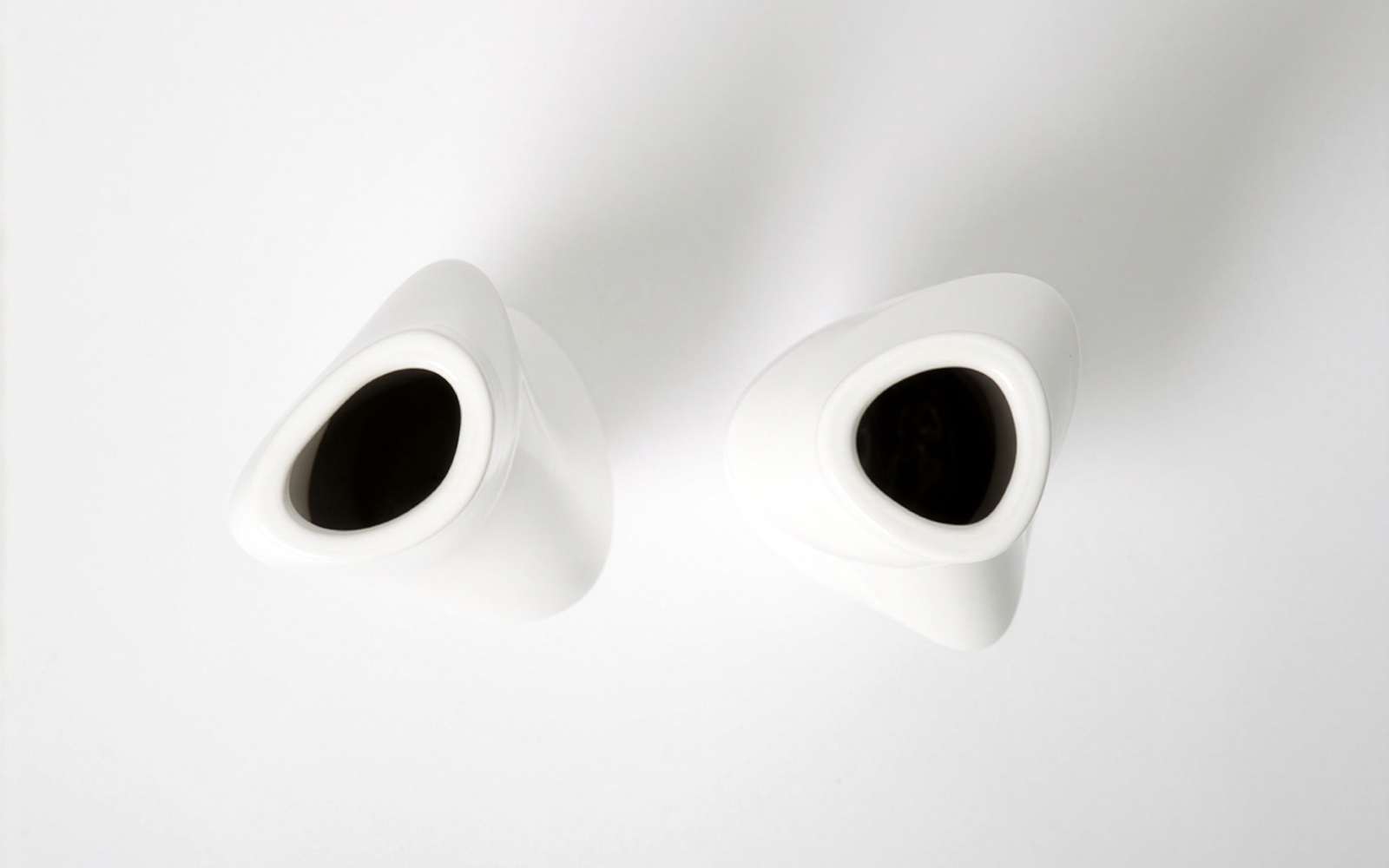
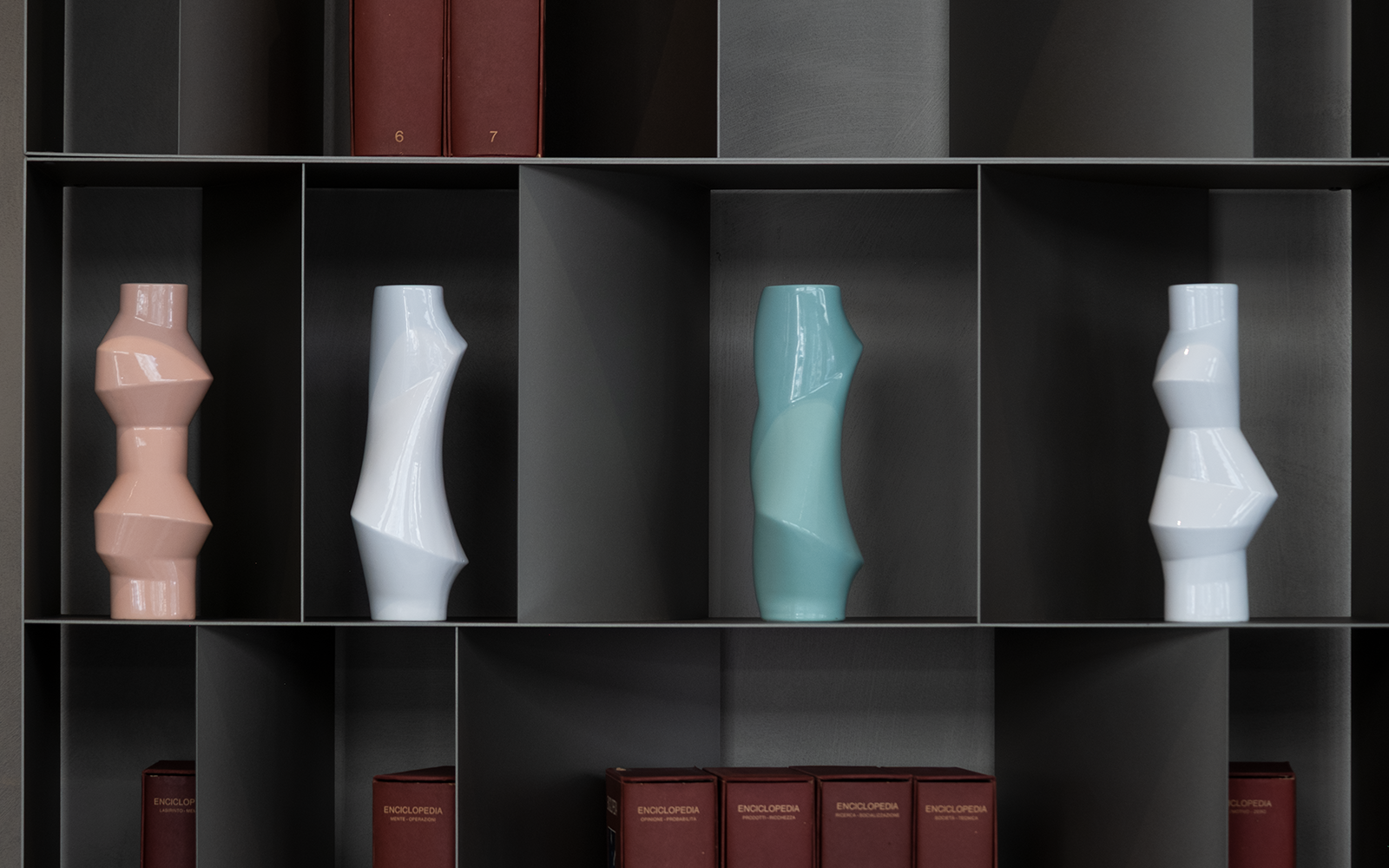
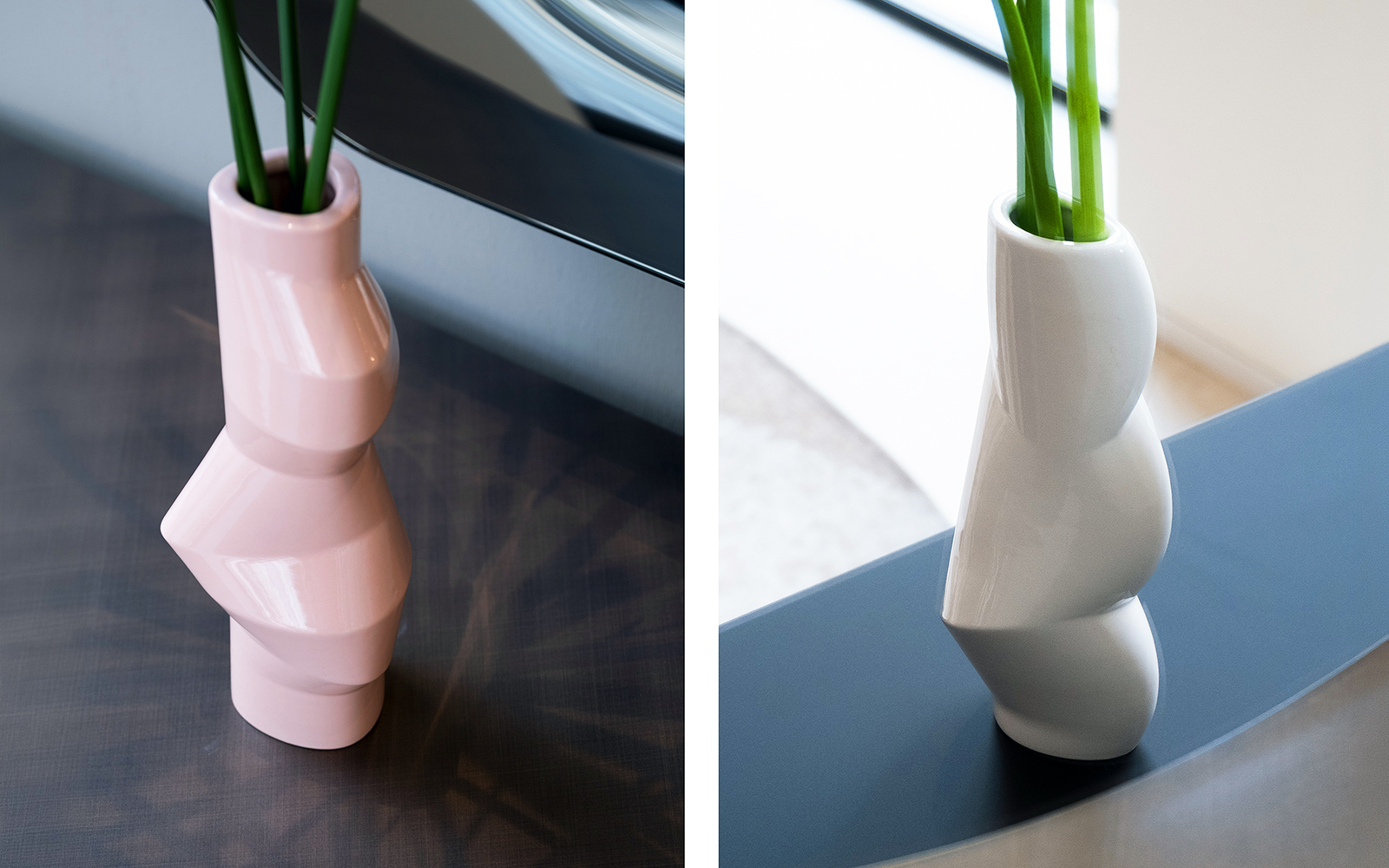
The design of the two Rheinvasen is based on the distinctive profiles of the Rhine bridges in Cologne and Düsseldorf. The form emerges from the dynamic interplay of these characteristic silhouettes, interpreting, as it were, the water and traffic flow above and below the bridges.
The Cologne Rheinvase refers to the Hohenzollern Bridge, whose striking steel structure dominates the cityscape directly adjacent to the cathedral; the Mühlheim Bridge, a classic cable-stayed bridge that stands out for its delicate form; and the Severins Bridge, which epitomizes the functional civil engineering of the postwar era.
The Theodor-Heuss-Brücke in Düsseldorf, built in the late 1950s as the world’s largest cable-stayed bridge at the time, as well as the striking Rheinkniebrücke and the Flughafenbrücke with its V-shaped pylons, served as inspiration for the Düsseldorf Rheinvase.
The color scheme of the Cologne Rheinvase is dedicated to the “Cologne Bridge Green,” which was introduced in 1929 at the instigation of the then-mayor and later German Chancellor Konrad Adenauer. Drawing on the regionally celebrated rivalry between the two major cities in the Rhineland, the Düsseldorf Rheinvase is designed in a pale red as a complementary contrast.
CREDITS
Marco Hemmerling
Fotos: Luca Rinaldi